

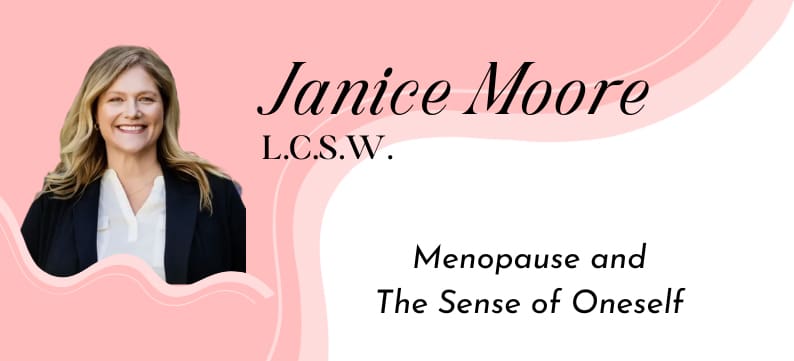
I often hear women say, “I don’t feel like myself lately… and I’m not sure where I went.” If this sounds familiar, you’re not alone. Menopause can affect mood, sleep, focus, patience, and stress — sometimes all before breakfast.
It can show up in small, frustrating ways: waking up in the middle of the night for no clear reason, forgetting why you walked into a room, feeling too hot, too cold, or both. You might notice changes in your body, hair, or skin, or feel less patient than usual. Some women also notice changes in desire, comfort, or connection around sex which can feel confusing or hard to talk about. And underneath it all is the quiet realization: Oh… I’m in a new stage of life. That alone can feel unsettling.
A few gentle (and realistic) ways to notice and support yourself:
• Pay attention to patterns in mood, energy, or sleep. This is just information-gathering, not a personal review
• Pause before reacting when emotions feel extra strong (walking away counts as a coping skill)
• Lower expectations for personal perfection and give yourself more flexibility
• Prioritize rest, nourishment, and quiet time whenever possible
• Talk openly with someone you trust instead of trying to power through
When these changes start spilling into many areas of life, relationships, work, or your overall sense of well-being, then it may be time for additional support. Therapy at this stage in life can offer a steady, nonjudgmental space to make sense of what’s happening and build coping tools.
It can also be helpful to know that there are medical options available for menopause symptoms, and for some women, combining medical care with emotional support makes a meaningful difference.
Menopause is a transition, not a failure, and given the commonality of the experience for women, you don’t have to navigate it alone.